TABLE OF CONTENTS
- Surgery laptops
- National Care Records Service (NCRS)
- Brigid (SystmOne Clinician App)
- Internet SystmOne
- SystmOne Mobile Working
The following tools/options may be of benefit both in normal operation and during business continuity/disaster recovery (BCDR) incidents. These options require suitable governance and planning prior to such events. If, after reviewing the details of an item, you wish to pursue it - first ensure you approach your Data Protection Officer.
This article acts as signposting guide and includes some limited suggestions; business continuity planning is the responsibilty of each individual service.
Surgery laptops
If your power or network is down, a laptop with an alternative connection (separate business network, tethered to phone etc) can enable any urgent matters to occur with the full options of your clinical system. Ensure laptops are regularly updated/patched and have adequate power to be of used in a BCDR incident. Ensure devices are not left in locations where they cannot be recovered urgently.
National Care Records Service (NCRS)
Access patient demographics, Summary Care Records and other centralised records and documents without HSCN - NCRS is available on normal internet traffic via web browser.
More: https://digital.nhs.uk/services/national-care-records-service
Suggestions:
- Ensure the URL to NCRS (or NHS Spine Portal) is available from central surgery resources such as solutions that will still be available if you have no HSCN connection. e.g. Web-based intranet / SharePoint site / documentation
- Ensure staff have registered alternative authenticator options e.g. NHS.net Connect account, Authenticator app, etc
i.e. Not solely reliant on smartcards (which at time of writing, require HSCN)
Brigid (SystmOne Clinician App)
Access patient records and (own) appointment rotas. Includes limited data entry and Tasks options.
More: https://tpp-uk.com/products/brigid/
Internet SystmOne
Access all functions of SystmOne and some Spine functions (including prescription preparation).
Spine authentication is possible with a suitable non-smartcard authenticator (must be AAL3) or smartcards with the necessary software (Smartcard Connect). Non-smartcard authenticators can be self-registered. As at Feb 2026, an AAL3 authentication app is currently in private testing and it's hoped this will be widely available later in the year.
More: (Within SystmOne) Help > Support & FAQs > Documents & Training Guides: Internet SystmOne
Prescription Preparation via 'Internet SystmOne'
If signing in with a suitable Care ID authenticator, prescriptions can be prepared (issued) for EPS, to be signed later.
At time of writing (Feb 2026), prescriptions cannot be signed via Internet SystmOne, they need to be signed using a smartcard on an HSCN connection (incl. VPN to HSCN). This does not preclude signing users from preparing scripts with 'Internet SystmOne', but they would need to select 'Sign Later' and the scripts be subsequently signed by themselves or a colleague from the normal signing queue.
The facility to sign over the internet and with non-smartcard authenticators is expected at a later date with the launch of the Digital Signing Service.
SystmOne Mobile Working
Access records and limited data entry options.
More: (Within SystmOne) Help > Support & FAQs > Documents & Training Guides: Mobile Working
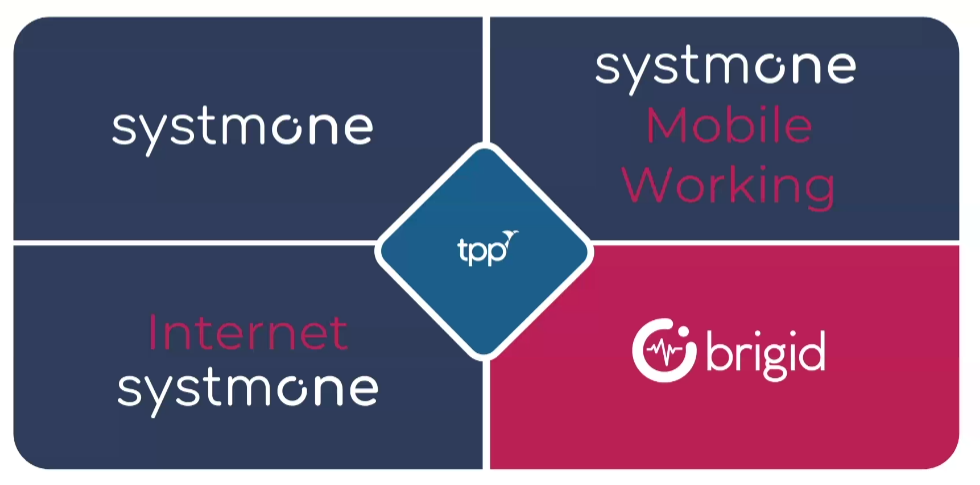
Graphic Source: TPP
Was this article helpful?
That’s Great!
Thank you for your feedback
Sorry! We couldn't be helpful
Thank you for your feedback
Feedback sent
We appreciate your effort and will try to fix the article